
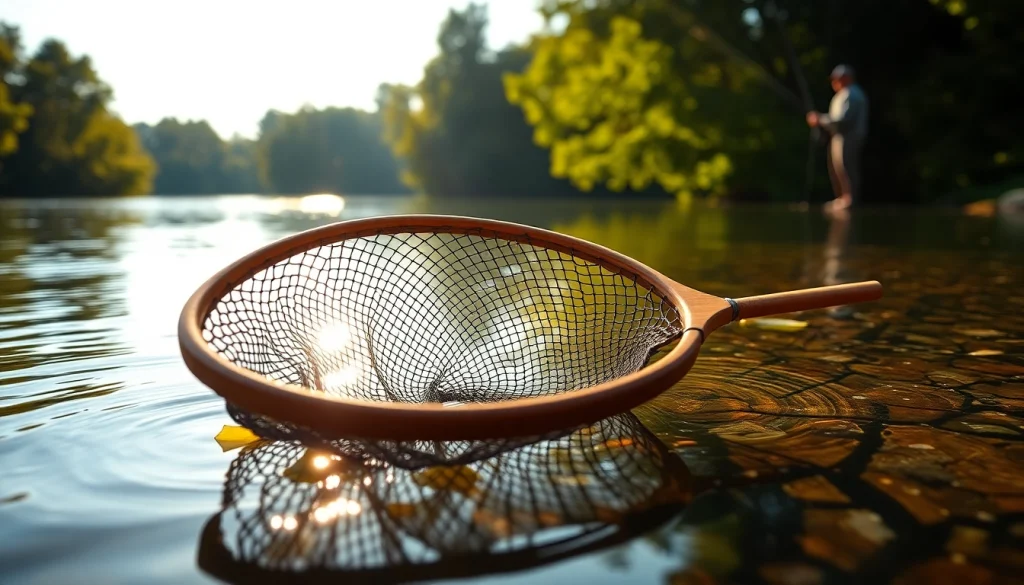
Understanding Fly Fishing Nets
When it comes to the delicate art of fly fishing, having the right equipment can make all the difference, particularly a quality Fly fishing net. This essential accessory not only aids in landing fish but also ensures their safe release, making it a necessity for both novice and seasoned anglers alike. Understanding the importance, types, and best practices for choosing fly fishing nets can substantially enhance your fishing experience.
The Importance of a Fly Fishing Net
The primary role of a fly fishing net is to secure fish after they are hooked. Without a net, a fish could easily escape during the catch and release process, leading to lost opportunities and frustrated anglers. A well-designed net ensures minimal stress on the fish, increases survival rates, and enhances your efficiency when fishing. Furthermore, using a net minimizes harm to the fish, aligning with conservation practices fundamental to responsible fishing.
Different Types of Fly Fishing Nets
Fly fishing nets can be categorized into several types, each tailored to different fishing scenarios:
- Landing Nets: Used primarily to land fish quickly. They often feature rubberized mesh that is gentle on fish.
- Boat Nets: Designed for use from watercraft, these nets typically have longer handles to reach fish in deeper water.
- Stream Nets: Lightweight and portable, ideal for wading in streams and rivers while fishing.
- Custom Nets: Handcrafted nets tailored to an angler’s specifications, incorporating personal style and functional needs.
How to Choose the Best Fly Fishing Net
Selecting the best fly fishing net involves considering several key factors:
- Size: Ensuring you have an adequately sized hoop based on the type of fish you pursue is crucial.
- Material: The construction material affects weight, durability, and how the net handles fish.
- Handle length: Make sure the net handle is comfortable and appropriate for your fishing environment.
- Mesh type: Rubberized mesh is preferable for protecting fish and facilitating easier catch-and-release.
Materials Used in Fly Fishing Nets
Common Materials for Durability
When selecting a fly fishing net, the materials used in construction play a pivotal role in a net’s performance and longevity. Common materials include:
- Wood: Often aesthetically pleasing, wooden nets are durable, but their weight can be a drawback for extended fishing trips.
- Aluminum: Lightweight and strong, aluminum provides durability while remaining manageable for long durations.
- Composite materials: These are often used in premium nets for their lightweight features and high strength-to-weight ratios.
Benefits of Rubberized Mesh
Rubberized mesh is widely favored among fly anglers for several reasons:
- Reduced harm to fish: The smoother surface minimizes scale loss and reduces the likelihood of injuring the fish.
- Easy removal of hooks: Rubber mesh is less likely to tangle with hooks and can simplify the release process.
- Durability: This material is resistant to wear, meaning nets maintain their effectiveness for longer periods compared to traditional mesh.
Lightweight Options for Ease of Use
As many anglers know, comfort during fishing is key. Lightweight nets are particularly beneficial for maintaining stamina, especially during longer fishing sessions. Here are some advantages:
- Easy transport: Lightweight nets can be carried effortlessly, a huge advantage when walking long distances or traveling.
- Quick handling: Easier maneuverability can lead to faster fish releases and less time spent managing equipment.
Size Matters: Choosing the Right Dimensions
Understanding Net Sizes for Various Fish
The size of the net you choose should correspond to the species of fish you aim to catch. For smaller fish, a net with a hoop size of 8-15 inches is generally sufficient, while larger species such as salmon may require nets with hoop sizes over 20 inches. The right size ensures effective landing without stressing the fish.
Comparing Small and Large Hoop Sizes
Different hoop sizes serve different purposes:
- Smaller hoops: Ideal for brook trout and similar species, these nets are compact and easier to manage in streams.
- Larger hoops: Necessary for larger fish species, they provide a wider netting area to secure a fish effectively while minimizing escape risks.
How Size Impacts Catch-and-Release
The dimensions of your net play a critical role in catch-and-release practices. A net that is too small may lead to an increased time out of water for the fish, impacting its survival. Larger nets allow for a quicker catch yet provide ample space to handle the fish gently, ultimately improving its chances of survival when released.
Care and Maintenance of Your Fly Fishing Net
Cleaning and Drying Techniques
Maintaining your net ensures its longevity and effectiveness. After each fishing trip, clean your fly fishing net using freshwater to rinse away debris and contaminants. It is essential to dry the net thoroughly to prevent mold or deterioration of the mesh, particularly if it’s rubberized.
Storage Tips to Maintain Quality
Proper storage plays a significant role in preserving the integrity of the net. Store your net in a cool, dry place, and avoid long-term exposure to sunlight, which could degrade materials. Utilizing a storage bag can also protect it from scratches and damage.
Repairing Minor Damages
Over time, wear and tear may occur. For minor tears in the mesh, you can often use repair kits that bond rubber mesh effectively. For wooden handles, applying varnish can protect against water damage. Every angler should check their equipment regularly to ensure optimal performance.
FAQs About Fly Fishing Nets
What size net is best for fly fishing?
For smaller trout, nets with an 8-15 inch hoop are suitable. Larger species like salmon require nets over 20 inches.
Why do fly fishermen use nets?
Using a net reduces the time a fish spends out of water, increasing its survival rates post-catch-and-release fishing.
What materials are fly fishing nets made from?
Common materials include wood, aluminum, and rubberized mesh, each offering unique durability and functionality benefits.
How should I clean my fly fishing net?
Rinse your net in freshwater after use and allow it to dry completely to avoid mold and degradation.
Can I customize my fly fishing net?
Yes, many manufacturers offer customization options in size, materials, and handle styles to suit your preferences.