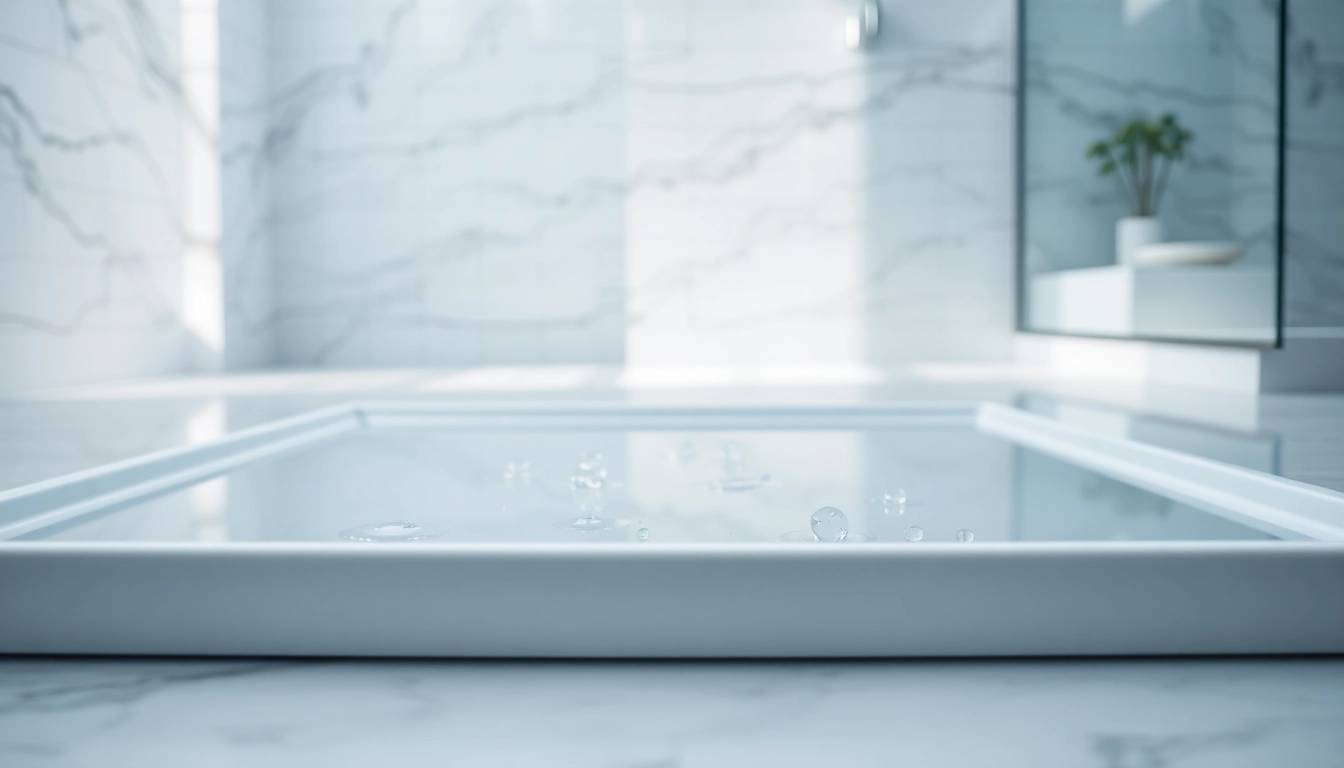
Understanding Shower Base Types
When planning a bathroom renovation or new build, one of the most critical components to consider is the shower base. The right shower base can enhance both the functionality and aesthetic of your bathroom. This article provides a comprehensive overview of the different types of shower bases available, helping you make an informed choice for your space.
1. The Benefits of Acrylic Shower Bases
Acrylic shower bases are a popular choice due to their lightweight nature and durability. Made from a molded acrylic sheet, these bases offer a seamless design that blends well with various bathroom styles. The benefits of acrylic shower bases include:
- Easy Installation: Due to their lightweight nature, acrylic bases are easier to handle and install.
- Low Maintenance: Acrylic surfaces are resistant to staining and fading, making cleaning straightforward.
- Comfort: Acrylic remains warm to the touch, providing a more comfortable experience compared to ceramic or stone options.
- Variety of Designs: Available in various styles, colors, and textures, acrylic shower bases can be customized to match your bathroom decor.
2. Why Choose Fiberglass Shower Bases
Fiberglass shower bases are another prevalent choice in modern bathrooms. Constructed from glass fibers and resin, these bases provide excellent strength and a lightweight solution. Key advantages of fiberglass shower bases include:
- Affordability: Generally, fiberglass bases are more budget-friendly than other materials, making them appealing for various projects.
- Versatile Styles: Fiberglass bases come in multiple designs, allowing homeowners to find a suitable match for their aesthetic.
- Resilience: The fiberglass layer is resistant to cracking and chips, making it a durable option for high-usage bathrooms.
3. Exploring Stone and Ceramic Shower Bases
For those seeking a more luxurious option, stone and ceramic shower bases offer elegance and durability. These materials bring a high-end feel to any bathroom, but they come with their own considerations. Here’s what to look for:
- Natural Aesthetic: Stone bases provide a unique, natural appearance, with no two pieces looking exactly alike.
- Durability: Both stone and ceramic are strong materials that can withstand the test of time with proper care.
- Temperature Retention: Unlike other materials, stone can maintain temperature, offering a comfortable footing even in colder climates.
- Maintenance Requirements: While ceramic is low maintenance, stone may require occasional sealing to prevent stains and moisture penetration.
Factors to Consider When Selecting a Shower Base
Choosing the right shower base involves more than just selecting the material. Several important factors must be considered to ensure a perfect fit for your bathroom:
1. Size and Space Requirements
When selecting a shower base, assessing your available space is critical. Measure the area accurately to ensure a proper fit. Take into account:
- The overall dimensions of the shower enclosures.
- Door swing space to allow for easy entry and exit.
- Plumbing and drainage placements to avoid complications during installation.
2. Compatibility with Your Shower Design
Your shower base should seamlessly integrate with the overall design of your bathroom. Factors to consider include:
- The style and theme of existing bathroom fixtures and tiles.
- Height requirements, especially in homes with older plumbing systems.
- If the base will be installed on a concrete floor or wooden subfloor, which may dictate different installation methods.
3. Budget Considerations for Shower Bases
While it can be tempting to choose an option simply based on aesthetics, it's important to acknowledge your budget. Consider the following:
- The initial cost of the shower base and installation.
- Long-term maintenance and durability – cheaper materials might lead to higher costs down the line.
- Potential impact on other renovation costs if the shower base selection dictates a need for additional plumbing or modifications.
How to Properly Install a Shower Base
Installing a shower base can be a straightforward process if you follow these guidelines. With the right tools and a thorough understanding of the steps involved, even a DIY enthusiast can tackle this project.
1. Tools and Materials Needed for Installation
Before you begin, gather the following tools and materials
- Level
- Screwdriver
- Adaptor fittings
- Sealant and caulking gun
- Shower base
- Drain assembly
- Waterproof membrane (if necessary)
2. Step-by-step Installation Guide
Follow these steps to successfully install your shower base:
- Preparation: Ensure the subfloor is clean, level, and dry before placing the shower base.
- Check Drain Placement: Position the shower base over the drain to assess alignment. Make adjustments as needed.
- Apply Sealant: Before installation, apply sealant to the bottom of the shower base.
- Set Base in Place: Position the shower base carefully, ensuring it is level from all sides.
- Secure Drain Assembly: Connect the drain to the plumbing lines, following the manufacturer's instructions.
- Final Sealing: Once firmly in place, use caulk to seal around the edges where the base meets the wall.
3. Common Mistakes to Avoid
To ensure a successful shower base installation, avoid these common pitfalls:
- Failing to check for level, which can lead to water pooling.
- Neglecting to secure the drain properly, resulting in leaks.
- Using incorrect sealants or adhesives that can compromise durability.
- Not allowing sufficient time for sealants and adhesives to cure before using the shower.
Maintaining Your Shower Base
Once your shower base is installed, regular maintenance will extend its lifespan and keep it looking good. Here are some essential maintenance tips:
1. Cleaning Techniques for Longevity
Keep your shower base clean by using the right cleaning solutions. Avoid abrasive cleaners that can scratch the surface. Instead:
- Use a mixture of mild soap and warm water.
- For tough stains, apply a baking soda paste and let it sit before scrubbing gently.
2. Repairing Minor Damage on Shower Bases
If your shower base incurs minor scratches or chips, small repair kits are available for most materials. These kits often include:
- Touch-up paint or resin for acrylic and fiberglass bases.
- Repair adhesives designed for ceramic and stone materials.
3. When to Replace Your Shower Base
Even with good maintenance, there may come a time when you need to replace your shower base. Signs include:
- Major cracks or structural damage.
- Persistent leaks that cannot be adequately repaired.
- Significant staining or wear that detracts from the appearance of your bathroom.
FAQs About Shower Bases
1. What is the average cost of a shower base?
The average cost for a shower base can range from $300 to $1500, depending on the type, material, and brand.
2. Are shower bases difficult to install?
With basic DIY skills and the right tools, many homeowners can install a shower base themselves without professional help.
3. Can I customize the size of a shower base?
Yes, many manufacturers offer customizable options, but special orders may take longer and cost more than standard sizes.
4. What materials are best for heavy use?
Fiberglass and acrylic are excellent choices for heavy use due to their durability, while stone and ceramic can be ideal for their resilience.
5. How do I choose the right color for my shower base?
Consider your overall bathroom palette. Neutral colors like white or beige typically offer versatility while allowing for easy coordination with decor.