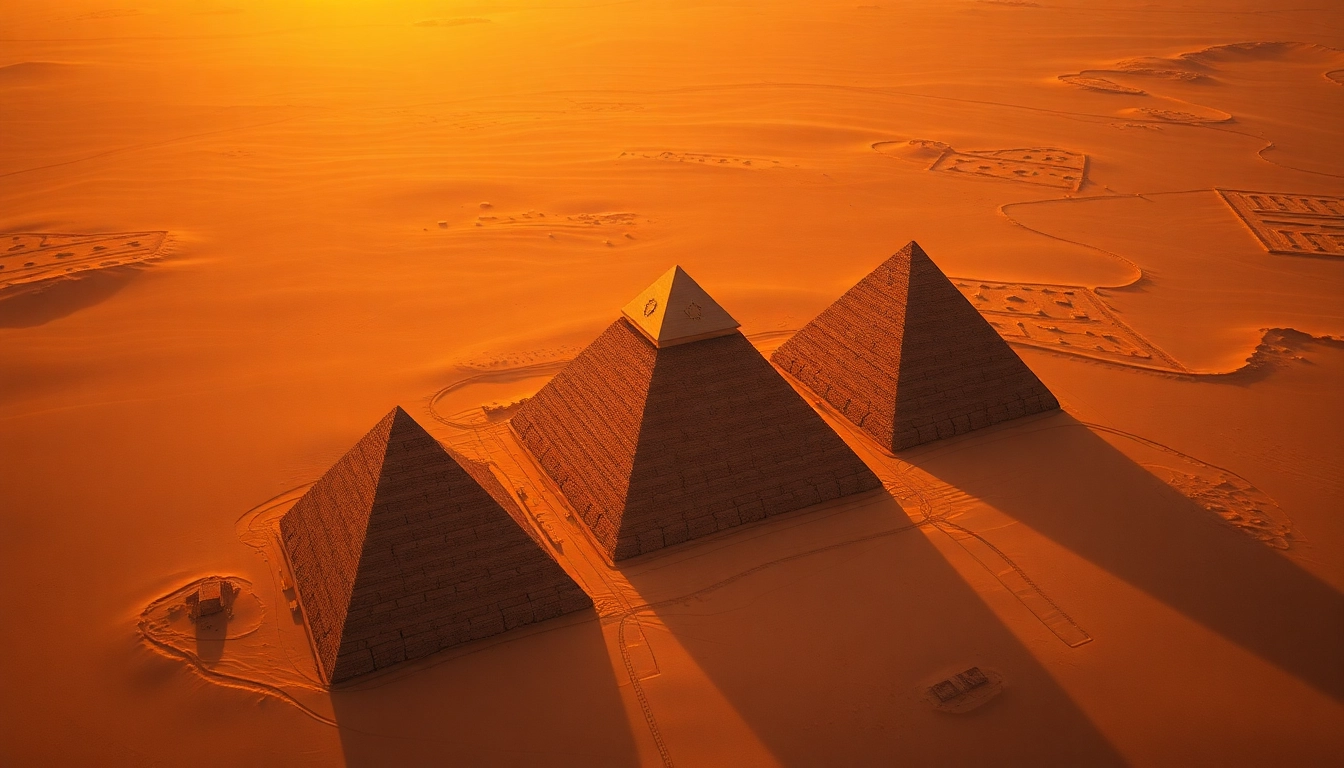
Introduction to Piraminds
From the towering structures of the Great Pyramids of Giza to lesser-known monuments scattered throughout Egypt, piraminds have captivated historians, archaeologists, and travelers for centuries. These impressive feats of engineering not only highlight the architectural prowess of ancient Egyptians but also serve as lasting testaments to their culture, beliefs, and aspirations. This article delves deeply into various aspects of pyramids, including their construction, cultural significance, and even common misconceptions surrounding them.
The Legacy of Ancient Egyptian Architecture
The architectural legacy of ancient Egypt is primarily defined by their monumental structures, especially the pyramids. Designed as elaborate tombs for the pharaohs, these structures are emblematic of ancient Egyptian civilization. They represent the profound connection between the earthly realm and the afterlife, showcasing not only architectural innovation but also the spiritual beliefs of the time. The Great Pyramid of Giza, for instance, is one of the Seven Wonders of the Ancient World, originally standing at an astonishing height of 146.6 meters (481 feet), demonstrating the ancient Egyptians' architectural skills.
Understanding Their Historical Significance
Pyramids were built primarily during Egypt’s Old and Middle Kingdom periods, with the most famous, the Pyramids of Giza, constructed around 2500 BCE. Beyond their function as tombs, they reflect the political and social structures of ancient Egypt. These structures symbolize the centrality of the pharaoh in society, believed to be a divine entity, ensuring their legacy reached both this world and the next. Their construction was a monumental task, requiring vast resources, labor, and meticulous planning.
A Brief Overview of Construction Techniques
The construction of pyramids involved several intriguing techniques that have fascinated experts for years. Large limestone blocks were quarried, transported, and meticulously placed to form a precise geometric shape. Current theories suggest that the ancient Egyptians employed a system of ramps to move these enormous stones into place, thus building the pyramids gradually as they rose to their monumental height. Tools made from copper and stone were used, along with a skilled workforce that likely included seasonal laborers who worked on the pyramids during the Nile’s inundation.
The Great Pyramids: An In-Depth Look
Structure and Design of the Pyramids
The structural design of the Great Pyramids was not merely for aesthetic appeal but also served significant practical purposes. The square base of these pyramids was precisely aligned with the cardinal directions, demonstrating the Egyptians’ advanced understanding of astronomy. The internal chambers and corridors were designed to thwart tomb robbers, with elaborate passageways and dead ends, creating a protective maze.
Materials Used in Pyramid Construction
The construction materials of pyramids varied based on the period and region. The core of most pyramids was built with local limestone, while higher-quality limestone, used for the outer casing, was quarried from Tura. In contrast, granite blocks were employed in some tomb sections. The choice of materials not only added structural integrity but also enhanced the pyramids' visual impact, as the bright white casings reflected sunlight, making them visible for miles away.
Modern Discoveries and Technological Insights
Archaeological techniques have advanced significantly, enabling researchers to explore pyramid structures further. Technologies such as ground-penetrating radar and 3D scanning have revealed previously unknown chambers and pathways in several pyramids, altering our understanding of their construction and intended purposes. These modern tools help bridge the gap between ancient wisdom and contemporary science, providing insights into not just the 'how' but also the 'why' of pyramid construction.
Cultural Importance of the Piraminds
Role in Ancient Egyptian Beliefs and Rituals
Pyramids were much more than grandiose tombs; they played a crucial role in the ancient Egyptians’ religious beliefs. They were viewed as cosmic entities, facilitating the pharaoh's journey to the afterlife. Rituals performed at the pyramids were integral to the state religion, aimed at ensuring the resurrection of the pharaoh, who was seen as a god in human form. Temples associated with the pyramids further reinforced these religious practices, often dedicating sacred spaces for rituals and offerings.
Pyramids as Tourist Attractions Today
Today, pyramids remain a major draw for tourists from around the globe. The Great Pyramids of Giza, in particular, attract millions of visitors annually, an enduring testament to human ingenuity and the allure of ancient history. Tour operators have capitalized on this fascination, offering guided tours that explain the historical and cultural significance of these structures. The tourism industry around the pyramids impacts local economies significantly, showcasing the lasting legacy of these architectural wonders.
Impact on Egyptian Culture and Identity
The pyramids have become synonymous with Egypt itself, symbolizing not only its rich history but also national pride. Their representation in various media, from films to literature, reinforces the connection between ancient and modern Egypt. They serve as cultural icons that evoke a sense of continuity in Egyptian identity, linking contemporary Egyptians to their ancient ancestors while embodying the historical significance that defines the region.
Common Misconceptions about Piraminds
Debunking Myths about Their Construction
Many myths surround the construction of the pyramids, with one of the most prevalent being that they were built by slaves. In fact, evidence suggests that a large labor force worked willingly, likely consisting primarily of skilled workers who took pride in the monumental task. Furthermore, the idea that the pyramids were constructed overnight is a gross underestimation of the years of labor, planning, and organization involved.
Understanding Their Geographic and Historical Context
All too often, people become fixated on the pyramids without fully understanding the broader historical context of ancient Egypt. The *Nile River* played a crucial role, serving not only as a source of water but also as a transportation route for the materials needed for construction. The geographical positioning of pyramids along the Nile indicates their significance not just in life but in the afterlife, aligning them with the Egyptian belief in the cyclical nature of existence.
The Role of Theories in Pyramid Studies
Pyramid studies have led to a multitude of theories regarding their purpose, design, and construction. These theories often evolve based on new archaeological finds and interpretations. As researchers uncover more evidence, previously held beliefs may shift, leading to broader understandings of pyramid usage and significance in ancient Egyptian culture. This ongoing dialogue ensures that the study of pyramids remains dynamic and continually evolving.
Exploring the Future of Piraminds
Conservation Efforts: Protecting Ancient Heritage
The preservation of pyramids is paramount to maintaining this world heritage. Many conservation efforts focus on stabilizing these ancient structures against natural erosion and human impact. International collaborations with cultural preservation organizations aim to create sustainable practices that allow for both tourism and conservation, ensuring future generations can appreciate these monumental works.
The Impact of Climate Change on Piraminds
Climate change poses a significant threat to the structural integrity of pyramids. Rising temperatures and changing precipitation patterns can accelerate the deterioration of these ancient stone structures. Researchers and conservationists need to implement adaptive strategies to mitigate these impacts, protecting the integrity of pyramids while ensuring they can be studied and enjoyed for years to come.
Future Research Directions and Technologies
As technologies such as artificial intelligence and improved imaging technologies emerge, the potential for further pyramid research grows exponentially. Future research direction will likely focus on integrating multidisciplinary approaches, combining archaeology with data science to unravel the mysteries still held by these structures. This integration will lead to a more nuanced understanding of Egyptian civilization and the monumental constructions they left behind.
FAQs
What were the primary purposes of the pyramids?
Pyramids served primarily as tombs for pharaohs, reflecting their beliefs in the afterlife and their desire for immortality. They were also centers for rituals dedicated to the deceased.
How were pyramids constructed?
Pyramids were constructed using massive limestone and granite blocks transported from quarries. Workers employed ramps and levers, showcasing advanced engineering skills of the time.
Why were pyramids designed in a pyramid shape?
The pyramid shape symbolized a staircase to the heavens, allowing the pharaoh's spirit to ascend to the afterlife. This design also provided stability and strength.
Are there other pyramids outside of Egypt?
Yes, several other cultures built pyramids, including the Nubians in present-day Sudan and the Maya in Mesoamerica, each with distinct architectural styles and purposes.
What is the current state of pyramid preservation?
Pyramid preservation is an ongoing concern, with efforts focused on mitigating natural erosion, managing tourism impacts, and employing modern technology to protect these ancient structures.