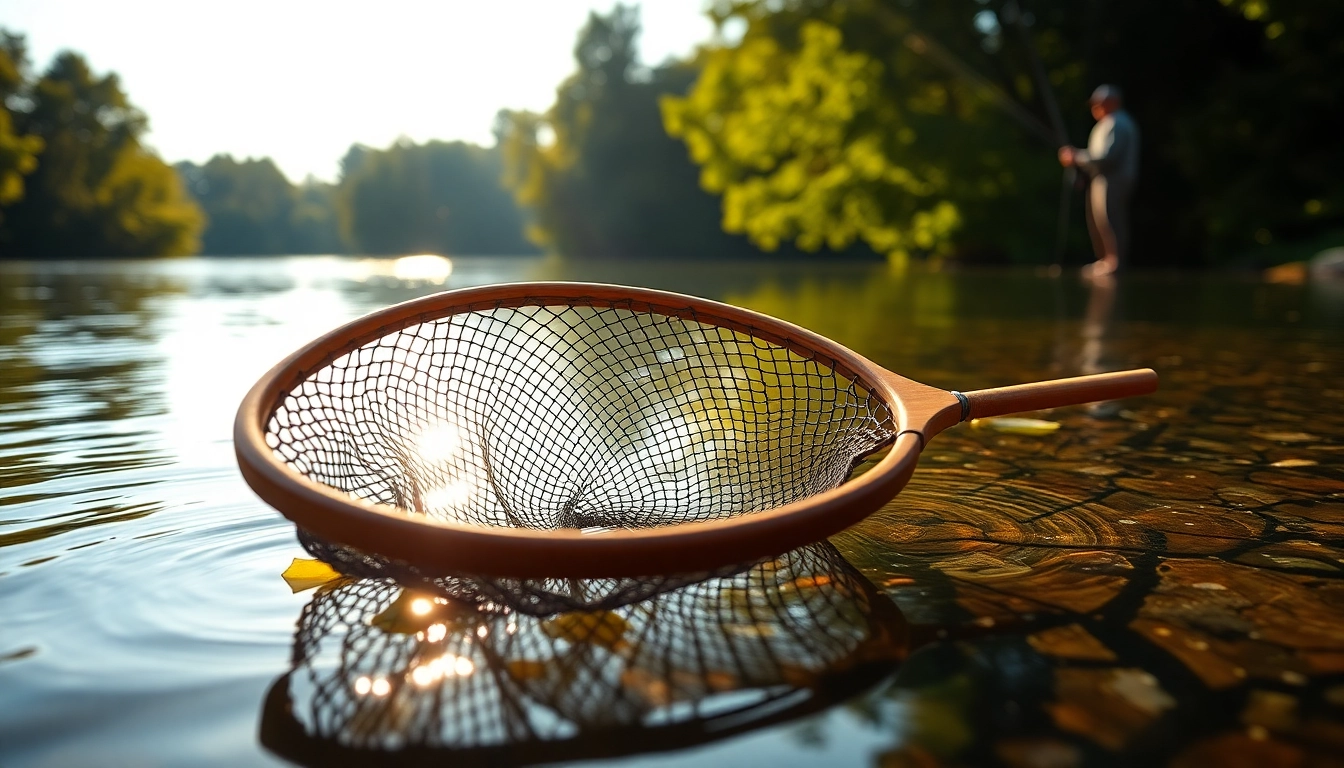
Understanding Fly Fishing Tippet Essentials
What is Fly Fishing Tippet?
In the world of fly fishing, the term fly fishing tippet refers to the slender section of line that connects the fly to the thicker leader line. It is crucial in determining the effectiveness of your presentation in the water. The tippet serves as an intermediary, allowing for the delicate transfer of energy from the angler’s cast to the fly while ensuring the presentation mimics the natural behavior of food organisms in the aquatic environment.
The Importance of Tippet Strength
The strength of your tippet can significantly affect your success rate. A tippet that is too weak may break when a fish strikes, leading to lost catches. Conversely, a tippet that is too strong could scare fish away, as they are often wary of heavier lines. Therefore, understanding the tippet's breaking strength is essential for any fly fisher. Tippet strength is usually measured in pounds, and depending on the type of fish you are targeting, different strengths may be necessary. For instance, when fishing for large trout, a tippet with a breaking strength of 5 to 6 pounds is often suitable, while delicate tippets of 2 to 3 pounds might be ideal for smaller fish.
Choosing the Right Material
Fly fishing tippets are typically made from two key materials: nylon and fluorocarbon. Nylon is more visible in water but is generally more affordable and offers good tensile strength. Fluorocarbon, on the other hand, is nearly invisible underwater and has a higher density, allowing it to sink faster. However, it often comes at a premium price point. Selecting the right material hinges on your fishing environment and specific target species. For clear waters or wary fish, fluorocarbon is often preferred, whereas nylon may suffice in murkier conditions.
Selecting The Perfect Fly Fishing Tippet Size
Understanding Tippet Sizes
Fly fishing tippets come in various sizes, usually indicated by a number ranging from 0X to 8X, where the 'X' refers to the fineness of the line. The higher the number, the thinner the tippet. For example, a 0X tippet has a thicker diameter compared to a 7X tippet. Understanding these sizes is crucial because they dictate both the breaking strength and the visibility of the line in the water.
Matching Tippet to Fly Size
One common consideration when choosing a tippet size is ensuring that it matches the size of your fly. As a general rule, the tippet should be one size heavier than the fly you are using. For instance, if you are using a size 16 fly, a 5X tippet is ideal. This ensures that while your fly remains buoyant and natural-looking in the water, it can still hold up against the pulling force of a fish.
Common Tippet Size Mistakes
Many anglers make the mistake of using a tippet that is either too heavy or too light for their chosen fly. A tippet that is too heavy will scare fish away, and one that is too light may lead to frequent breakages. Another mistake involves failing to adjust tippet size according to fishing conditions; for example, using a lighter tippet in clear water can be necessary to achieve success.
Advanced Tips for Fly Fishing Tippet Usage
How to Properly Attach Tippet
Attaching tippet to your leader line is straightforward but must be done correctly to avoid losing fish. The most common knot for this purpose is the double surgeon's knot, known for its strength and ease of tying. To execute this knot, overlap the two lines, create two loops, and pass the end of the tippet through the loops before tightening it. Taking time to master this knot can dramatically reduce the chances of failure during critical moments while fishing.
Using Tippet in Various Water Conditions
The effectiveness of your tippet can vary greatly based on water conditions. In fast-moving water, a heavier tippet might be required to prevent the fly from being swept away too quickly. Conversely, in still waters where fish are less aggressive, a lighter tippet can help in achieving a natural drift. Being adaptable and aware of the conditions around you is key to successful fly fishing.
Counting Knots: Best Practices
Knots are pivotal to fly fishing, and knowing how many knots to use can impact your success. Each knot creates a weak point in your line, potentially compromising its strength. Therefore, it’s advisable to minimize the number of knots without sacrificing functionality. Always double-check that each knot is tight and secure before casting; this minimizes casts that could fail with a strike.
Maintenance of Your Fly Fishing Tippet
Storage Tips for Tippet Material
Proper storage of your fly fishing tippet is crucial for maintaining its quality. Tippet material should be kept away from direct sunlight to prevent degradation. Storing it in a cool, dry place and using an organized system, like a tippet spool holder, can prevent tangles and preserve the integrity of the material. Additionally, regularly inspecting your tippet for damage can extend its usable life.
Recognizing Wear and Tear
Inspecting your tippet for wear and tear before each fishing trip should become a routine practice. Look for frayed edges, kinks, or any discoloration in the material. These signs often indicate that your tippet won’t perform adequately in the water — replacing it at the first signs of wear will save time and energy when fishing.
Maximizing Tippet Lifespan
To maximize the lifespan of your tippet, consider limiting its exposure to harsh environments. This includes avoiding high heat and sunlight, as well as not overusing the same tippet repeatedly for different fishing styles. Rotating your tippet materials based on the season and type of fishing will enable longer usage periods while maintaining peak quality.
Frequently Asked Questions about Fly Fishing Tippet
What is the best tippet material?
The best tippet material depends on water conditions and target species. Fluorocarbon is ideal for visibility and clear waters, while nylon offers durability and affordability.
How can I know what tippet size to use?
Match the tippet size to your fly size, typically one size heavier than the fly; for example, use a 5X tippet for a size 16 fly.
How often should I replace my tippet?
Replace your tippet if you notice wear, fraying, or discoloration. Routine checks before fishing help ensure it remains effective.
Can I use the same tippet for different flies?
While you can use one tippet for multiple flies, it’s best to adjust the size according to the fly to ensure optimal presentation.
What is the difference between tippet and leader line?
The leader line is thicker and used to connect to the fly line, while the tippet is thinner and attaches directly to the fly, providing a more discreet presentation.