
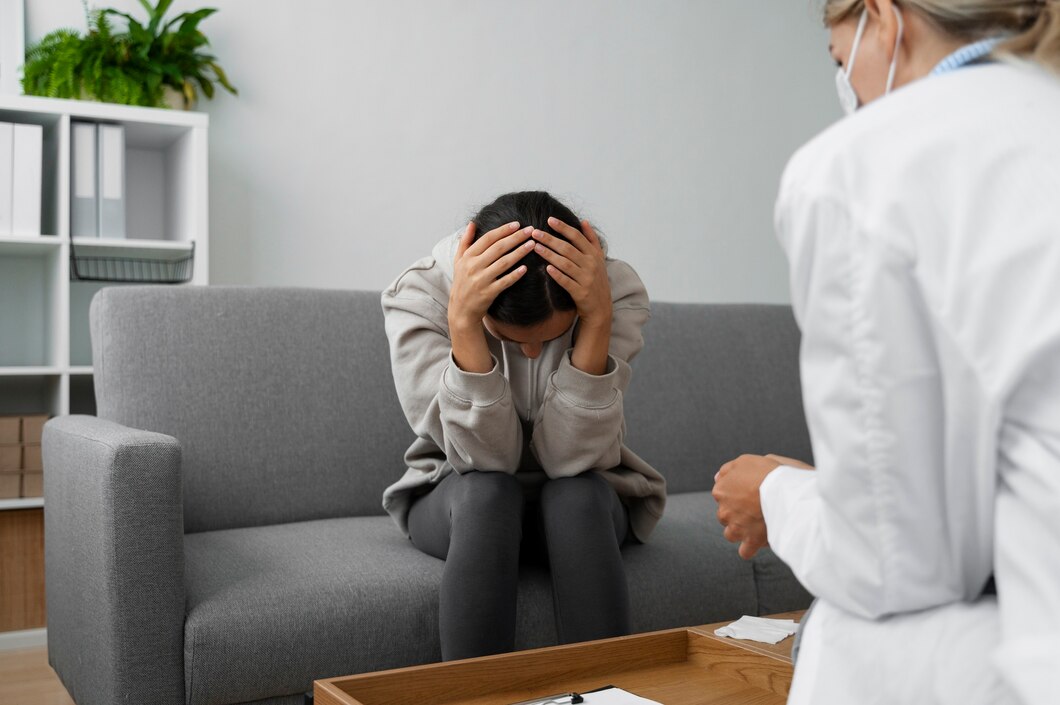
Anxiety is a common mental health challenge that affects millions of adults worldwide. Recognizing Anxiety symptoms early and learning safe management strategies can greatly improve daily life and emotional well-being. At Calm Minds Hub, we focus on providing evidence-based, practical guidance to understand and cope with anxiety, helping you regain balance and control.
Understanding Anxiety and Its Impact
Anxiety is more than just occasional worry or stress. It is a mental health condition characterized by persistent feelings of fear, tension, and unease. When anxiety becomes intense or constant, it can interfere with work, relationships, and overall quality of life. Understanding anxiety symptoms in adults is the first step toward effective management.
Common Anxiety Symptoms
Anxiety can manifest in various ways, including physical, emotional, and cognitive symptoms. Recognizing these early signs can help individuals seek appropriate support. Common symptoms include:
- Excessive Worry: Feeling worried about everyday situations more than necessary.
- Restlessness: Difficulty relaxing or sitting still, often feeling on edge.
- Fatigue: Constantly feeling tired even after sufficient rest.
- Difficulty Concentrating: Trouble focusing on tasks or maintaining attention.
- Irritability: Becoming easily frustrated or angered without clear reason.
- Sleep Disturbances: Trouble falling asleep, staying asleep, or experiencing restless sleep.
- Muscle Tension: Tightness in the neck, shoulders, or other muscles.
- Racing Heart or Palpitations: Physical signs of heightened stress response.
- Digestive Issues: Upset stomach, nausea, or frequent trips to the bathroom.
Real-Life Example
Consider Sarah, a 32-year-old office worker. She often experiences racing thoughts before meetings, struggles to focus on her tasks, and notices her heart racing even when sitting quietly. Over time, these anxiety symptoms begin to affect her productivity and personal life, highlighting the importance of recognizing and addressing them early.
Types of Anxiety in Adults
Understanding the different forms of anxiety can help adults identify their specific experiences and find targeted coping strategies.
Generalized Anxiety Disorder (GAD)
Adults with GAD experience chronic, excessive worry about various aspects of life, such as work, health, or relationships. Symptoms often include fatigue, muscle tension, and sleep disturbances.
Panic Disorder
Panic disorder is characterized by sudden, intense episodes of fear or discomfort known as panic attacks. These attacks may involve heart palpitations, shortness of breath, and dizziness. People often live in fear of the next attack, which can affect daily functioning.
Social Anxiety Disorder
Social anxiety disorder involves overwhelming fear in social situations, such as speaking in public, attending parties, or meeting new people. Individuals may avoid social interactions, leading to isolation and loneliness.
Specific Phobias
A specific phobia is an intense fear of a particular object or situation, such as heights, flying, or spiders. Avoiding these triggers can limit daily activities and reduce quality of life.
Factors Contributing to Anxiety Symptoms
Several factors can influence the development of anxiety symptoms in adults. These include:
- Genetics: A family history of anxiety or other mental health conditions may increase susceptibility.
- Brain Chemistry: Imbalances in neurotransmitters like serotonin and dopamine can contribute to anxiety.
- Life Stressors: Major life changes, work pressure, or relationship challenges can trigger anxiety symptoms.
- Personality Traits: Individuals with perfectionist tendencies or low self-esteem may be more prone to anxiety.
- Health Conditions: Chronic illnesses, hormonal changes, or substance use can exacerbate anxiety symptoms.
Safe and Effective Ways to Manage Anxiety Symptoms
Managing anxiety involves a combination of lifestyle adjustments, coping strategies, and professional support. Here are evidence-based methods adults can use to reduce anxiety symptoms safely.
1. Practice Mindfulness and Meditation
Mindfulness involves focusing on the present moment without judgment. Meditation can calm the mind and reduce the intensity of anxious thoughts. Techniques such as deep breathing, guided meditation, or body scans can be practiced daily to manage anxiety symptoms.
2. Maintain a Healthy Lifestyle
Physical health strongly impacts mental health. Adults can manage anxiety symptoms by:
- Exercising regularly to release tension and improve mood.
- Eating balanced meals to stabilize blood sugar and energy levels.
- Avoiding excessive caffeine or alcohol, which can trigger anxiety.
- Ensuring adequate sleep to support emotional regulation.
3. Cognitive Behavioral Techniques
Cognitive Behavioral Therapy (CBT) is a structured approach that helps adults identify negative thought patterns and replace them with more balanced perspectives. Practicing CBT techniques, such as thought challenging or journaling, can reduce anxiety symptoms over time.
4. Build a Support Network
Talking to trusted friends, family members, or support groups can provide relief from anxiety symptoms. Sharing experiences and receiving empathy can reduce feelings of isolation and provide practical coping strategies.
5. Set Realistic Goals
Breaking tasks into manageable steps can prevent overwhelm. Adults with anxiety symptoms should prioritize tasks, focus on one goal at a time, and celebrate small achievements to build confidence.
6. Limit Exposure to Stressors
Identifying triggers and reducing exposure where possible can help manage anxiety. This may include limiting news consumption, avoiding negative social media content, or setting boundaries at work and home.
7. Seek Professional Help
For severe or persistent anxiety symptoms, professional help is essential. Licensed therapists, counselors, or psychiatrists can provide targeted treatment plans, including therapy, medications, or a combination of approaches.
Real-Life Analogy
Managing anxiety symptoms is similar to caring for a garden. Regular attention, nurturing, and removing harmful weeds (stressors) allows the garden (mind) to thrive. Ignoring symptoms is like leaving a garden unattended—overgrowth and imbalance can occur, making recovery more difficult.
Recognizing Early Warning Signs
Early recognition of anxiety symptoms is crucial for prevention and effective management. Signs to watch for include:
- Persistent worry that affects daily tasks
- Increased irritability or emotional sensitivity
- Trouble sleeping or feeling constantly fatigued
- Physical symptoms like headaches or stomach discomfort
- Avoidance of social situations or responsibilities
By addressing these early, adults can prevent anxiety from becoming overwhelming or leading to more serious mental health conditions.
Incorporating Self-Care Practices
Self-care is an essential part of managing anxiety symptoms. Simple strategies include:
- Daily relaxation routines, such as reading, yoga, or listening to music
- Journaling thoughts and emotions to process experiences
- Engaging in hobbies that bring joy and fulfillment
- Practicing gratitude to shift focus from stress to positive experiences
These small, consistent practices can strengthen emotional resilience and improve overall well-being.
Building Emotional Awareness
Emotional awareness involves understanding and identifying one’s feelings without judgment. Adults who practice emotional awareness can better manage anxiety symptoms by:
- Recognizing triggers and emotional patterns
- Responding thoughtfully rather than reacting impulsively
- Communicating feelings effectively in personal and professional relationships
Combining Professional and Personal Approaches
The most effective approach to managing anxiety symptoms often combines professional treatment with self-care and lifestyle adjustments. Therapy, medication, and coping strategies work best when integrated with daily habits like mindfulness, exercise, and emotional awareness.
Conclusion
Anxiety symptoms in adults can affect multiple areas of life, including physical health, emotional well-being, and daily functioning. Recognizing these symptoms early and implementing safe management strategies is essential. By practicing mindfulness, maintaining a healthy lifestyle, building supportive relationships, and seeking professional help when necessary, adults can regain control over their anxiety and improve overall quality of life. Calm Minds Hub emphasizes kindness, understanding, and evidence-based guidance to help individuals navigate anxiety and achieve emotional balance safely. Navigate all sections easily by returning to the homepage.
FAQs
What are the most common anxiety symptoms in adults?
Common anxiety symptoms in adults include excessive worry, restlessness, fatigue, difficulty concentrating, irritability, sleep disturbances, muscle tension, and physical signs like heart palpitations or digestive issues.
How can I manage anxiety symptoms safely at home?
Safe management strategies include practicing mindfulness and meditation, maintaining a healthy lifestyle, using cognitive behavioral techniques, building a support network, setting realistic goals, and limiting exposure to stressors.
When should I seek professional help for anxiety symptoms?
Professional help is recommended if anxiety symptoms are severe, persistent, or interfere with daily life. Therapists, counselors, or psychiatrists can provide personalized treatment plans, including therapy, medication, or combined approaches.