
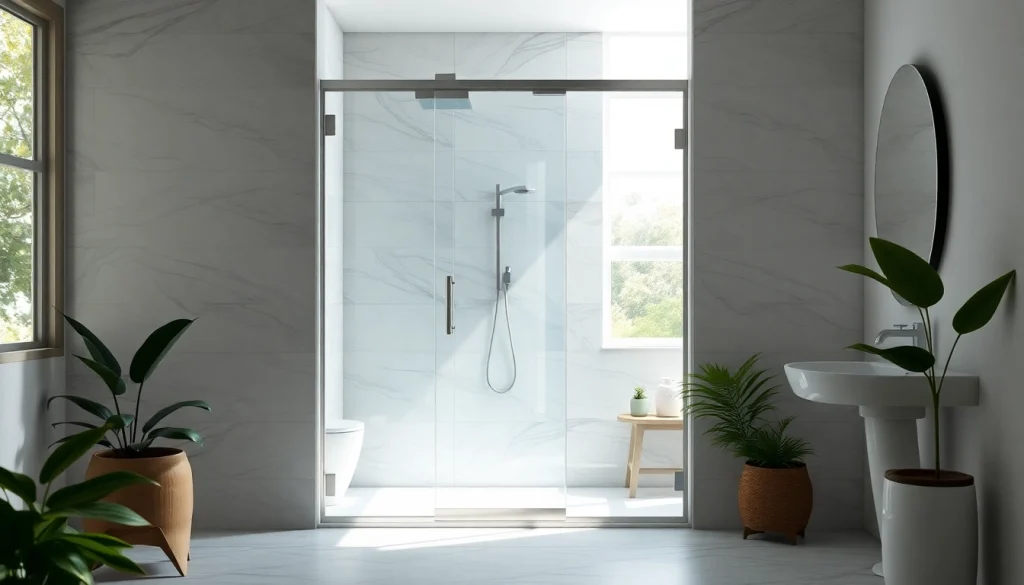
Understanding Shower Screen Door Options
Choosing the right shower screen door is pivotal for enhancing both the functionality and aesthetics of your bathroom. With various options available in the market, homeowners must navigate through a plethora of materials, styles, and features to find the ideal fit for their space. This guide provides a deep dive into the different types of shower screen door options, highlighting their benefits and helping you make an informed decision.
Types of Shower Screen Door Materials
When it comes to shower screen doors, the material you choose significantly influences durability, appearance, and maintenance. Here are the three most common materials used in shower screen doors:
- Glass: Glass shower screen doors are popular due to their sleek look and ability to create an illusion of space. They come in framed, semi-framed, and frameless styles, providing flexibility in design.
- Acrylic: Acrylic doors are lightweight, affordable, and resistant to breakage, making them a safe option, especially for families with children. They’re easier to clean but may scratch more easily than glass.
- Polycarbonate: Known for their strength, polycarbonate doors are a robust alternative to glass. They are more impact-resistant and typically less expensive, making them a cost-effective choice for high-traffic bathrooms.
Benefits of Each Shower Screen Door Type
Each material offers unique advantages:
- Glass: Provides a premium appearance and customizability with various finishes and textures, making it suitable for modern aesthetics. Tempered glass is also highly durable.
- Acrylic: This material is low maintenance and offers excellent insulation, keeping the bathroom warmer. It is available in different colors and patterns to fit various styles.
- Polycarbonate: Offers a high level of durability and safety, reducing the risk of shattering. It is also lightweight, making it easier to install.
Comparative Analysis of Styles
The style of your shower screen door can significantly impact the overall look of your bathroom. Let’s explore the most common styles:
- Frameless: Provides a minimalist, contemporary look with a seamless touch. It maximizes light and makes the space appear larger.
- Framed: Offers a more traditional appearance, providing structural support to the glass. It is available in various finishes for customization.
- Bi-Fold: Ideal for limited spaces, these doors fold inwards to save space while creating an elegant access point to the shower.
- Sliding: Perfect for smaller bathrooms, sliding doors glide along a track allowing easy access without the need for swing space.
- Hinged: Opens outward like a traditional door, offering full access to the shower area, making cleaning easier.
How to Measure for a Shower Screen Door
Accurate measurements are crucial for selecting the right shower screen door. This section provides essential insights into the measurement process to ensure a perfect fit.
Essential Tools for Accurate Measurements
Before you start measuring, gather the following tools:
- Measuring tape: A flexible measuring tape is essential for taking precise measurements.
- Level: Ensure that your shower base is level to avoid misalignment during installation.
- Pencil and paper: Use these to jot down the measurements for reference.
Step-by-Step Measurement Guide
Follow these steps to measure accurately for your shower screen door:
- Measure the width of the shower opening at the bottom, middle, and top and use the smallest measurement.
- Measure the height from the base of the shower to the top of the opening to ensure the door fits snugly.
- Check the depths of the shower enclosure (if applicable) to confirm styles like bi-fold or sliding doors will fit without obstruction.
Common Mistakes to Avoid
To ensure accuracy, avoid these common measuring mistakes:
- Not accounting for wall irregularities, which may affect the fit.
- Using the wrong units of measure; stick to either metric or imperial but don’t mix both.
- Failing to check if your shower base is level; this can skew measurements significantly.
Installation Tips for Shower Screen Doors
Once you’ve selected and measured for your shower screen door, the next step is installation. Here are some tips to guide you through the process.
Preparation for Installation
Preparation is key to a successful installation. Begin with these preliminary tasks:
- Ensure the shower area is clean and free of obstructions.
- Gather all necessary tools and materials to streamline the process.
- Review the manufacturer’s instructions thoroughly; each product may have specific requirements.
Tools Required for Installation
Having the right tools on hand can make installation easier:
- Drill and drill bits
- Screwdriver
- Silicone sealant
- Image level
- Safety goggles
Professional vs. DIY Installation
Deciding between professional or DIY installation can impact your project’s outcome:
- Professional Installation: Ensures a perfect fit, fewer mistakes, and often comes with a warranty. Ideal for complex installations or if you’re unsure of your skills.
- DIY Installation: Can save costs and provide satisfaction from completing your own project. However, it requires attention to detail and patience.
Maintaining Your Shower Screen Door
Proper maintenance of your shower screen door not only enhances its appearance but also prolongs its lifespan. Below are key maintenance strategies.
Cleaning Tips for Different Materials
Different materials require tailored cleaning strategies:
- Glass: Use a mixture of vinegar and water or a specialized glass cleaner. A squeegee can help minimize water spots.
- Acrylic: Opt for a mild soap solution, avoiding abrasive substances that could scratch the surface.
- Polycarbonate: Clean with warm soapy water and a soft cloth to avoid scratches, steering clear of harsh chemicals.
Preventing Common Issues
To maintain your shower screen door in top condition:
- Regularly check seals and gaskets for wear and replace them as necessary to prevent leaks.
- Wipe the door down after each use to prevent soap scum buildup.
- Ensure that hinges and tracks are free of debris that could hinder operation.
When to Seek Professional Help
Don’t hesitate to call a professional for:
- Complex repairs beyond basic maintenance.
- Installation issues where alignment is critical.
- Replacing cracked or damaged glass that needs expert attention.
Frequently Asked Questions about Shower Screen Doors
What types of shower screen doors are available?
Shower screen doors come in various styles including framed, frameless, bi-fold, and sliding models, each suited for different bathroom designs and sizes.
How do I clean my shower screen door?
Clean glass doors with vinegar and water or a glass cleaner. For acrylic, use a mild soap solution and avoid abrasive cleaners.
Can I install a shower screen door myself?
Yes, if you are handy and follow proper instructions. However, consider professional installation for complex setups for best results.
What are the benefits of a glass shower screen door?
Glass doors enhance a bathroom’s look, create an illusion of space, and are easy to maintain, as they can be cleaned quickly and do not trap moisture.
How do I choose the right size for my shower screen door?
Measure the width and height of the shower opening accurately. It’s advisable to utilize the smallest measurements to ensure a snug fit.