
 lixemo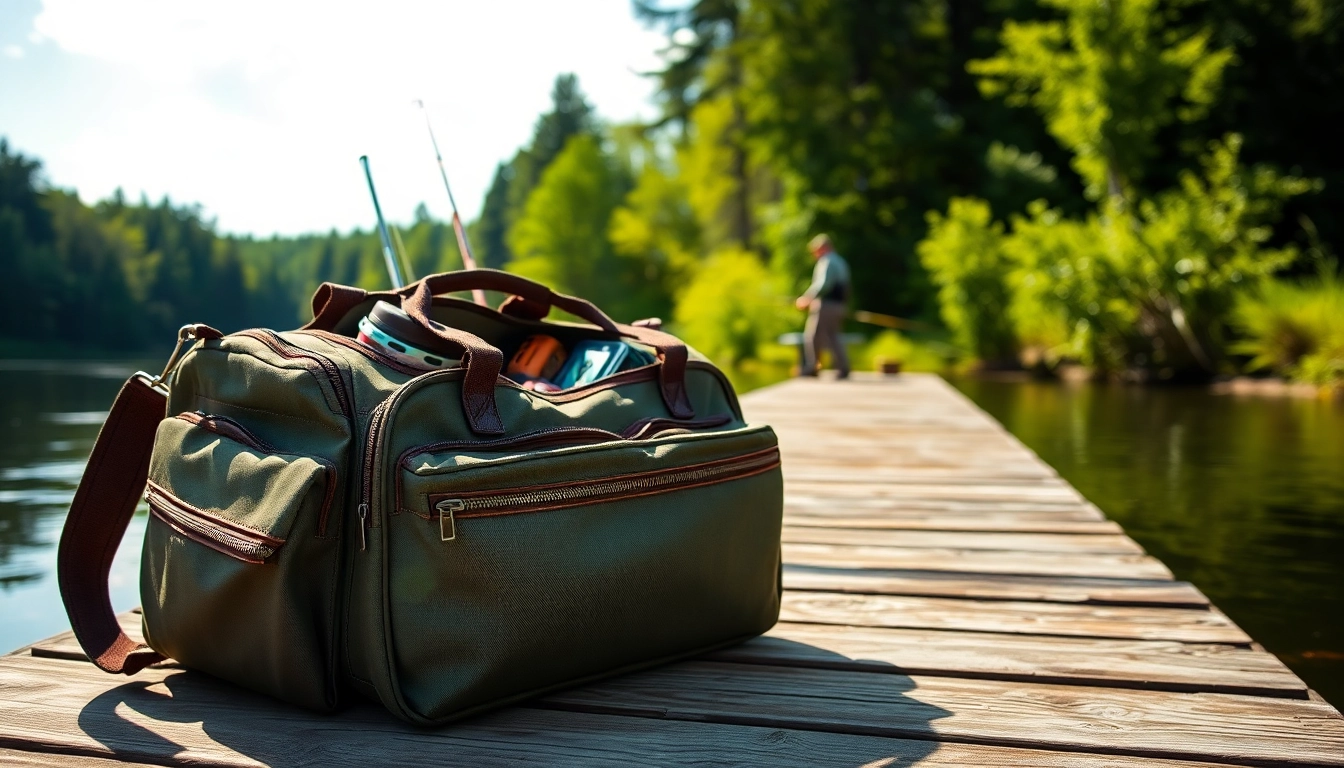
Understanding the Fly Fishing Bag
What is a Fly Fishing Bag?
A fly fishing bag is a specialized storage solution designed specifically for anglers who prefer the art of fly fishing. Unlike traditional tackle boxes or bags used for spinning or baitcasting, fly fishing bags focus on the unique needs of fly fishers, such as holding flies, rods, reels, and other accessories in a manner that ensures both accessibility and organization. Typically, these bags feature multiple compartments, pockets, and attachment points to accommodate various gear items while providing quick access when you need it most.
Importance of Quality in Fishing Gear
When it comes to fishing, the quality of your gear can make or break your experience. A sturdy, well-designed fly fishing bag ensures that your essential tools and tackle are protected from the elements, easily transportable, and organized. Quality materials resist wear and tear and offer reliable performance, meaning you’ll spend less time worrying about your equipment and more time enjoying your time on the water. Moreover, a quality bag can withstand the rigors of different environments, whether rocky shorelines, muddy riverbanks, or wet weather conditions.
Types of Fly Fishing Bags Available
Fly fishing bags come in various shapes and sizes, each tailored to particular needs and preferences. Here are some of the most common types:
- Backpacks: Ideal for anglers who hike to remote locations. These typically feature multiple compartments and easy access to gear.
- Sling Bags: Worn across the body for convenience during any fishing activity. They allow quick access to flies and tools.
- Tackle Bags: Offer more storage and are usually larger. These bags can store everything from fishing gear to personal items.
- Chest Packs: Designed to keep essentials close at hand, these packs are great for wading in streams or rivers.
Key Features to Look for in a Fly Fishing Bag
Material Durability and Weather Resistance
The material used in a fly fishing bag significantly influences its durability and weather resistance. Look for bags made from high-denier nylon, which provides strength and water resistance. Hydrophobic materials prevent water from soaking through, protecting your gear from rain or splashes. Reinforced seams and waterproof zippers are additional features that will help keep the contents dry and safe.
Storage Capacity and Organization Options
Storage capacity is another crucial consideration. Depending on your fishing style, you may prefer a bag with many pockets and compartments for organizing various flies, tools, and accessories. Some bags even come with removable organizers or tackle trays, which can help streamline your setup and make it easy to switch out gear for different fishing scenarios.
Comfort and Ease of Use
Since fishing often involves long hours spent outdoors, comfort is essential when choosing a fly fishing bag. Look for padded shoulder straps, breathable back panels, and ergonomic designs that distribute weight evenly. Additionally, bags with easy-to-use closures such as magnetic flaps or quick-draw tabs can enhance accessibility while on the move.
Benefits of Investing in a Quality Fly Fishing Bag
Enhanced Fishing Experience
Investing in a quality fly fishing bag can lead to a significantly improved fishing experience. With the right bag, you’ll enjoy better organization, allowing for quick access to your gear translating into a more efficient fishing trip. Instead of spending time rummaging through a cluttered bag, you can focus on casting and enjoying the serenity of nature.
Longevity and Value for Money
A well-made fly fishing bag not only lasts longer but also saves you money in the long run. Cheaper bags may fray, tear, and lose functionality over time, necessitating frequent replacements. In contrast, investing in quality means you can use your bag for years, maximizing its value. Additionally, brands that stand behind their products often provide warranties, giving you peace of mind.
Safety and Protection of Your Gear
Your equipment is an investment; thus, protecting it is paramount. Fly fishing bags with padding and reinforced compartments prevent gear damage from shocks or falls. Weather-resistant materials protect against moisture and spills, preserving the integrity of your equipment and enhancing your overall fishing success.
How to Choose the Right Fly Fishing Bag for Your Needs
Assessing Your Fishing Style and Frequency
Before purchasing a fly fishing bag, it’s essential to assess your fishing style and how often you go fishing. Are you a weekend warrior who frequents local rivers, or do you embark on long fishing trips in remote areas? Your answers will guide you toward the right choice in terms of size, style, and functionality of the bag you need.
Size and Portability Considerations
Consider the size of the bag in conjunction with your transportation needs. A larger bag might offer more storage, but it can also be cumbersome on hikes or in tight spots. On the other hand, a smaller bag may lack adequate storage. Strive to find a balance that meets your capacity needs without sacrificing portability.
Budgeting for Quality and Performance
Quality fly fishing bags can vary significantly in price. Set a budget before shopping but keep in mind that investing in a high-quality bag can save money over time. Look for a balance between features and price; sometimes, spending a little more upfront yields better durability and utility moving forward.
Top Recommendations for Fly Fishing Bags
Comparing Popular Brands and Models
Understanding the landscape of available fly fishing bags is key to making an informed choice. Some popular brands known for their quality fly fishing bags include:
- Simms: Known for their high-quality materials and practical designs, Simms backpacks and sling bags offer excellent durability.
- Orvis: This brand presents a variety of options, from compact chest packs to larger tackle bags, emphasizing performance and comfort.
- FishPond: FishPond bags combine traditional styles with modern features, such as waterproof materials and sustainable practices.
User Reviews and Feedback Insights
User reviews can provide valuable insights into the usability and durability of different models. Look for consistent feedback about comfort, organization, and ease of access. Pay attention to critiques regarding stitching, zippers, and the overall quality of materials used. Online platforms, fishing forums, and social media groups can serve as helpful resources for gathering opinions before you make your purchase.
Where to Buy Your Fly Fishing Bag
Purchasing your fly fishing bag from reputable retailers ensures you are getting a quality product. Consider looking into local tackle shops, outdoor sports stores, or well-known online fishing specialty websites. Online retailers often provide comprehensive customer reviews, detailed product descriptions, and price comparisons, allowing you to make an informed decision.